
Marketing became the place where I kept noticing the same patterns repeat.
I did not begin my career in marketing.
I began in chemistry, where I learned very quickly that structure changes outcomes. Small variables matter. Strong inputs alone do not guarantee consistency. Systems either hold together, or they start reacting unpredictably under pressure. That mindset followed me into business.
Over the last decade, I worked inside environmental, engineering, technology, and B2B SaaS organizations alongside people solving genuinely complex problems.
Groundwater specialists.
Environmental consultants.
Engineers.
Software teams building platforms around compliance, reporting, operations, and data interpretation.
The expertise was real. But the way organizations communicated that expertise often felt disconnected from the sophistication of the work itself.
A website no longer reflected the maturity of the company behind it.
Proposals varied depending on who prepared them.
Technical teams explained services one way while business development framed them another.
Marketing became active, but not always aligned.
I Kept Noticing the Same Thing
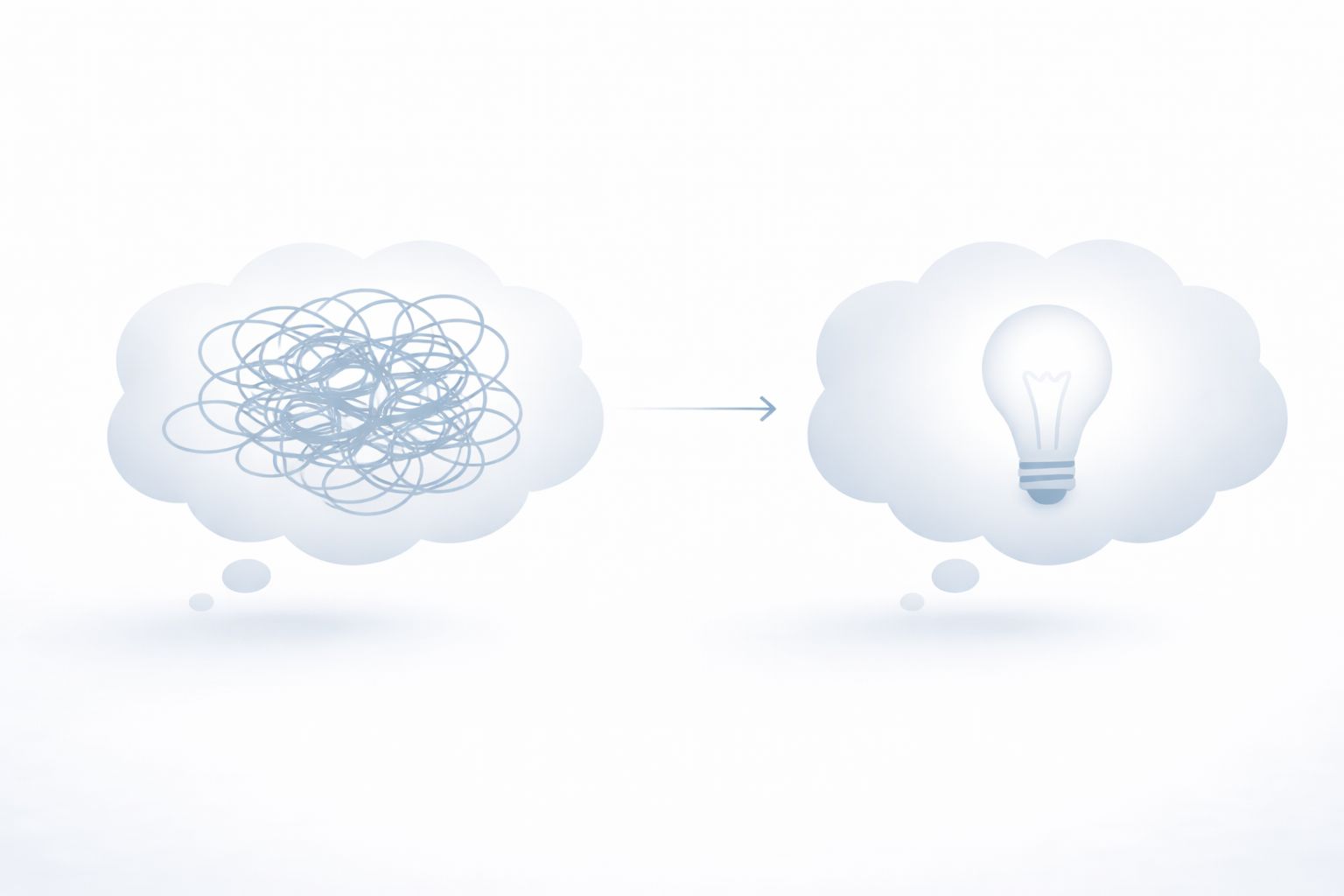
Most technical organizations were not lacking intelligence, capability, or effort. They were struggling to hold a consistent understanding of themselves across communication, business development, marketing, and growth.
That realization eventually became Esma Creative.
Not as an agency built around volume or promotion, but as a strategic marketing practice focused on helping technical organizations create more structure behind how they communicate and grow.
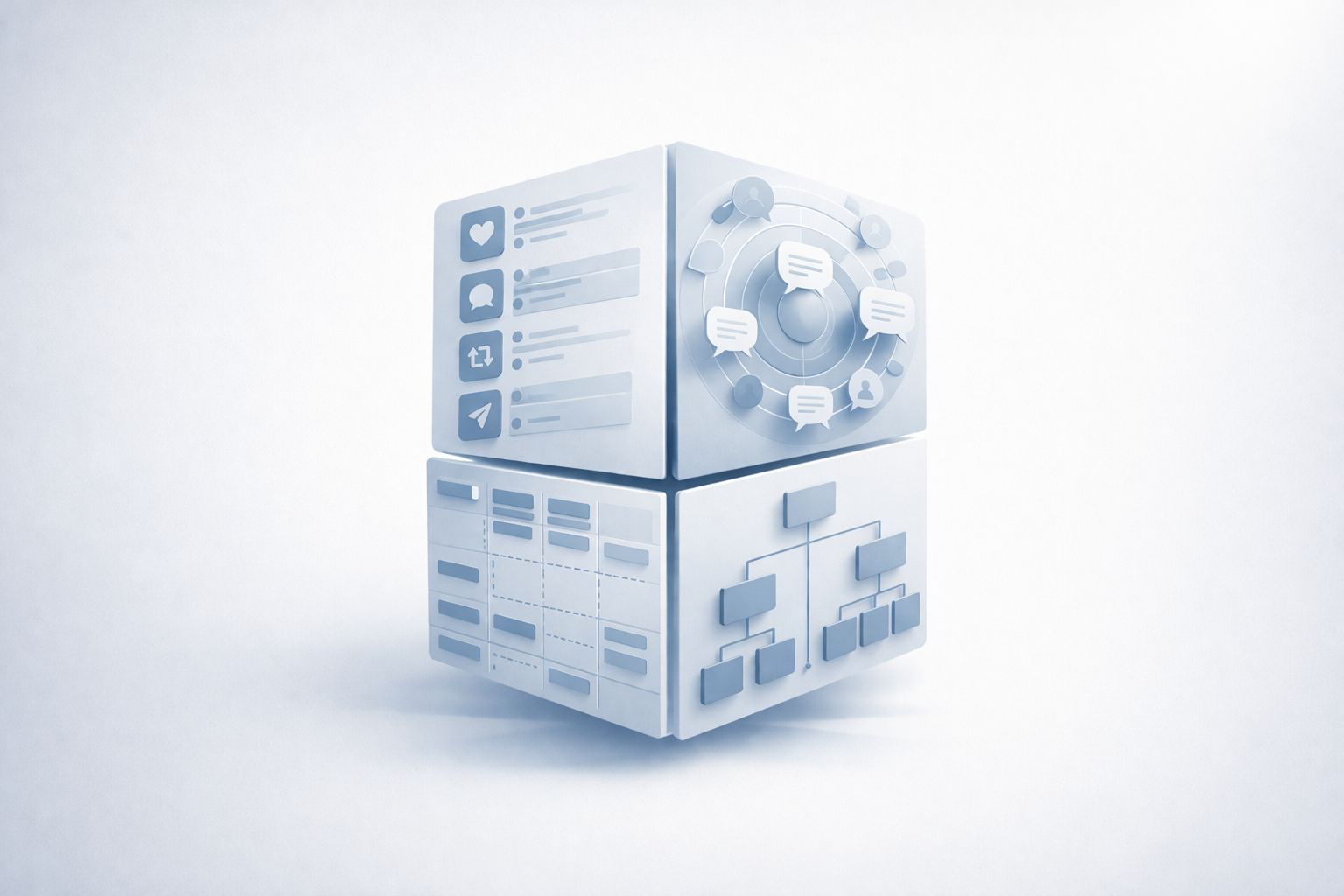
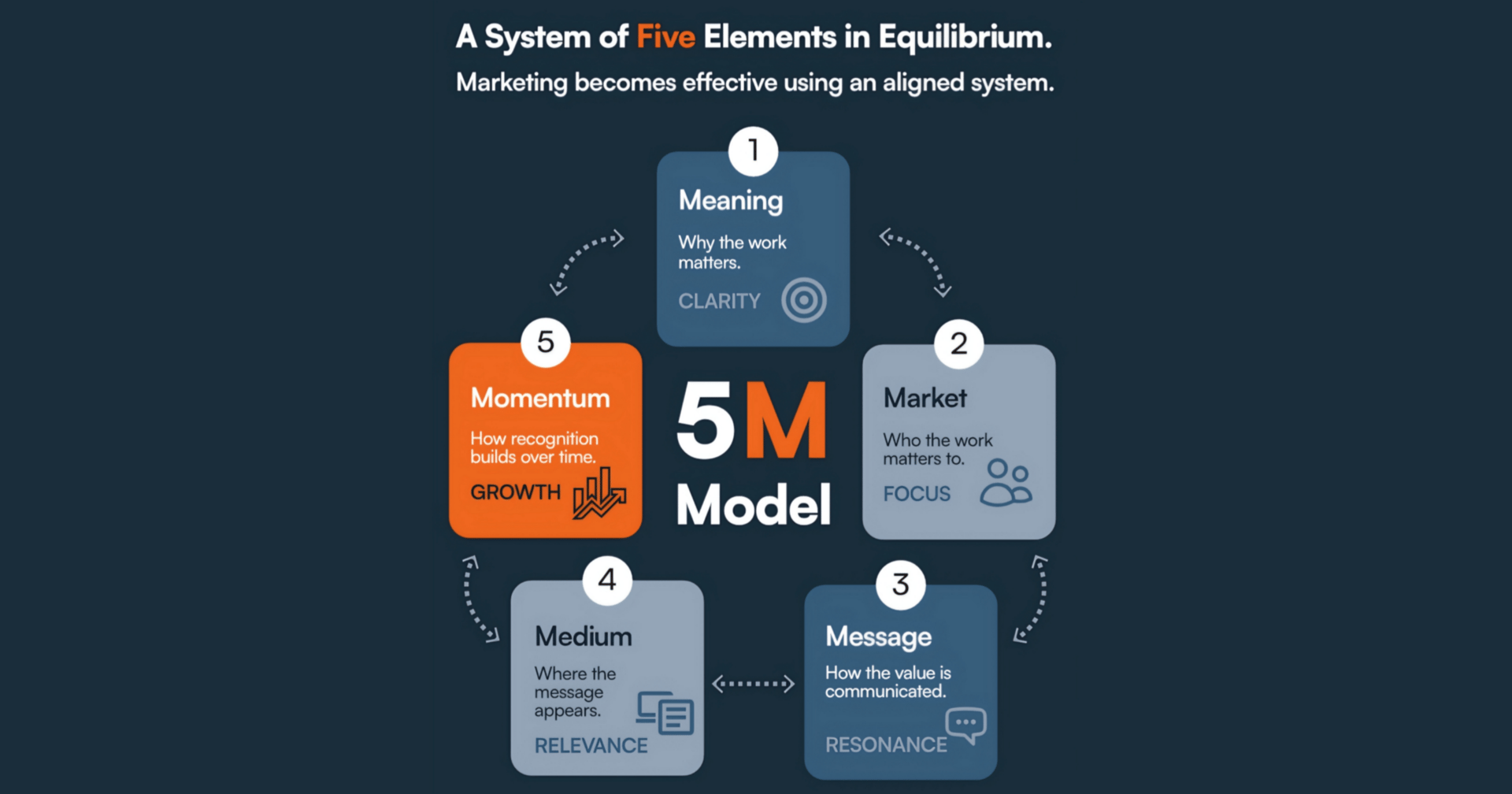
Over time, I started viewing marketing less as a collection of tactics and more as a coordinated system. Positioning affects messaging. Messaging affects trust. Trust affects momentum. The website, proposals, business development conversations, LinkedIn presence, conference participation, and thought leadership all influence one another whether organizations structure them intentionally or not.
That Systems Perspective Became the Foundation of My Work
I work primarily with environmental firms, engineering consultancies, technical organizations, and B2B SaaS companies because these industries require a different type of marketing conversation. Buyers are evaluating risk, credibility, expertise, operational impact, and long-term trust. Communication needs to support those realities without oversimplifying the work itself.
That balance matters to me.
Outside of client work, I have spent years involved in industry events, governance, business development initiatives, and community-building within the environmental sector. I also spend time in completely different creative spaces through improvisational theatre, which sharpened something equally important: listening.
Both experiences shaped how I approach marketing. Structured enough to create clarity. Flexible enough to adapt to real people and real conversations.
Esma Creative Grew Out of That Intersection
Part systems thinking.
Part communication.
Part business strategy.
Part interpretation.
Because strong technical work deserves to be understood with the same level of clarity and credibility that went into building it.